








Nigeria’s internet penetration crossed the 50% threshold in November 2025, reaching 50.58%, according to the latest data from the Nigerian Communications Commission (NCC). While the milestone reflects steady progress in digital connectivity, it remains well below the 70% broadband penetration target outlined in the National Broadband Plan (NBP) 2020–2025, which expires at the end of December.
The November figure marks a notable improvement from 45.61% recorded in January, representing an increase of nearly five percentage points within the year. However, the gains have not been sufficient to meet the ambitious benchmarks set by the NBP, which aimed to extend effective broadband coverage to at least 90% of the population, deliver minimum download speeds of 25 Mbps in urban areas and 10 Mbps in rural communities, and ensure data affordability at no more than ₦390 per gigabyte.
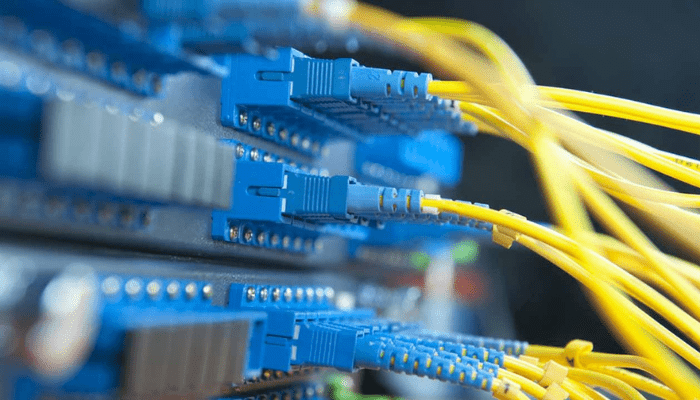
As of November 2025, Nigeria had about 109 million broadband subscriptions. Growth has been uneven over the plan period, with the country missing its interim 2023 target of 50% penetration and closing 2024 at 44.43%. Persistent challenges—including fibre optic cable vandalism resulting in an estimated 30 to 43 cuts daily, high Right-of-Way (RoW) charges, and a loss of more than one million subscriptions in early 2025—have slowed expansion and affected service reliability.
Despite these setbacks, several factors have supported recent broadband growth. Expanded mobile network coverage, particularly through 3G and 4G deployments, has driven most of the increase, with limited 5G rollouts adding capacity in major cities. Declining smartphone prices and competitive data offerings have also helped more Nigerians get online. In addition, policy initiatives such as the NBP and investments in the National Communications Backbone have encouraged private-sector participation, especially in underserved and rural areas.
The gap between current performance and national targets reflects high deployment costs, infrastructure shortfalls, and uneven coverage. Telecom operators continue to grapple with expensive RoW fees, multiple taxes, and rising energy costs required to power base stations, particularly outside urban centres. Fibre and last-mile networks have expanded slowly beyond major cities, leaving large segments of the population unconnected and some infrastructure underutilised.
Even so, the NCC insists that the 70% penetration target remains the sector’s guiding objective. With continued investment in mobile broadband, increasing smartphone adoption, and ongoing 4G/LTE expansion, regulators believe Nigeria’s internet penetration will keep rising gradually, even if the original 2025 target proves unattainable.